

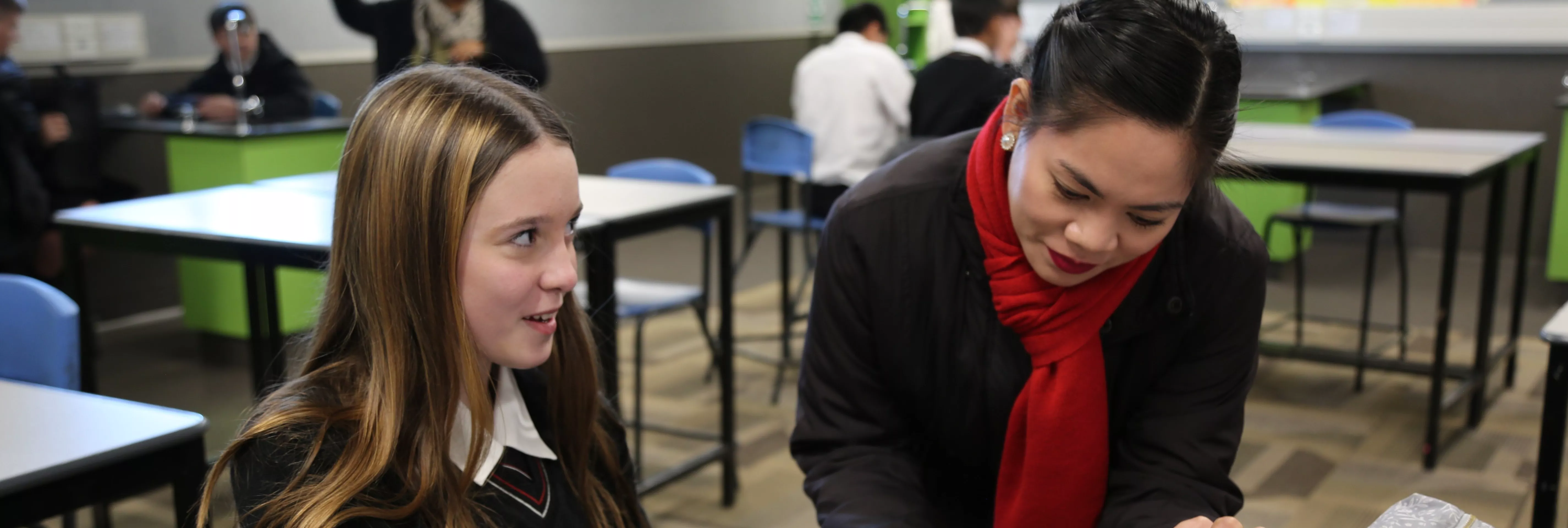
Mount Hutt College is fortunate to have a full-time Learning Support Coordinator. This position was established to help students in our surrounding area with transition between schools and into the work-force. The Learning Support Action Plan (2019-2025) states that ‘One in five children and young people need some kind of learning support’. At Mount Hutt College our Learning Support team is committed to providing inclusive learning support to all students who need it. This looks different for students, based on their age, learning needs and circumstances. Or learning interventions include:
- Providing individual support through our structured reading support programme.
- Providing group support through a structured numeracy programme.
- Providing special assessment conditions which remove barriers to achievement.
- Using teacher aides as an integral part of support in class situations and to support groups within class settings.
- Using teacher aides to support teachers working with students who have behavioural challenges.
- Providing adaptations to learning programmes when needed.
- Helping students transition between schools and year groups.
- Liaising with outside agencies for students who have specialist needs.
At Mount Hutt College we aim to give all learners a high-quality, culturally responsive, seamless and inclusive education, from primary school, through secondary schooling, and into tertiary education, vocational training and employment by encouraging our students to work on strategies for overcoming barriers and move toward independence.
On a national level Learning Support is an area of education which has changed significantly. The general background to changes includes increased focus on Inclusive Education, Universal Design for Learning and Te Tiriti o Waitangi principles.
More specifically changes result from documents such as Success for All (2010), Collaboration for Success (2011), NZC Update The Inclusion Principle (2012), Success for All Inclusive Practice in Secondary Schools (2014) and Inclusive practices for students with special needs in schools (2015 ERO publication). The recent ERO report on the use of Teacher Aides in inclusive environments is a clear example of schools changing from the older model of support which focused on withdrawal and mana diminishing practices, to the new model which focuses on inclusive, uplifting support. At Mount Hutt we use all these documents and more to guide our practices so that students in our community have the opportunity of a seamless education that builds mana and self-esteem.
If you have any further questions about the supports we can provide for your learner, please send an email to make an appointment with our Learning Support Coordinator, [email protected].
Special Assessment Conditions (SAC)
Information for Parents and Caregivers
What are Special Assessment Conditions (SAC)?
Special Assessment Conditions are supports approved by NZQA for students whose learning, medical, physical, or psychological needs significantly affect their ability to access assessments fairly. Examples of supports may include:
- reader/writer assistance
- computer use
- extra time
- separate accommodation
- rest breaks
These supports are designed to ensure students can demonstrate their knowledge and skills on an equitable basis with their peers.
Screening and Identification
As part of our ongoing support processes, the school is currently undertaking a range of screening assessments, including the EXACT assessment and Dyslexia Screening tools.
These screenings help identify students who may have specific learning difficulties (SLD), including students whose needs may not previously have been formally recognised. The information gathered also helps teachers tailor classroom strategies and support.
Please note:
- these screenings are not diagnostic assessments
- however, they are accepted by NZQA as part of the evidence required for SAC applications
- NZQA requires recent evidence, and older assessments (including some historical assessments) may no longer meet current application requirements
Learning strategies and support information arising from screening may be recorded in KAMAR for teaching staff to access where appropriate.
Medical and Other Conditions
Students seeking SAC support for conditions such as ADHD, Autism Spectrum Disorder (ASD), diabetes, physical impairments, mental health conditions, or other medical needs require supporting documentation from an appropriate registered professional.
This may include:
- a medical diagnosis
- specialist reports
- documentation from a registered psychologist, counsellor, or relevant health professional
Unfortunately, parent or caregiver notes alone are not sufficient evidence for NZQA applications.
Ongoing Use of Support is Important
NZQA requires schools to provide evidence that any assessment support requested is the student’s normal way of working.
This means schools must be able to show that students regularly use these supports in classroom assessments, practice assessments, and examinations prior to applying for SAC.
Examples of evidence may include:
- use of SAC in school assessments and examinations
- records of reader/writer assistance
- classroom accommodations routinely used by the student
- teacher observations and documentation
The school keeps records of SAC use to support future applications.
Why Early Identification Matters
NZQA expects SAC applications to be made early, ideally before or during Year 11. Applications made late in Year 11 or during the senior years can be significantly more difficult to approve unless there is clear evidence explaining why support was not identified earlier.
For this reason, it is important that:
- students engage with recommended supports when offered
- families provide relevant documentation promptly
- students regularly use approved supports during school assessments
Building a consistent history of support use gives students the best possible chance of successful SAC applications in the senior school years.
Working Together
We appreciate the support of parents and caregivers as we work together to ensure students receive appropriate assistance and equitable access to assessment opportunities.
If you believe your child may require SAC support, or if you have relevant documentation you would like to share with the school, please contact the Learning Support team.